Your AI Poster Isn’t Worth It
Please stop. For everyone’s sake.
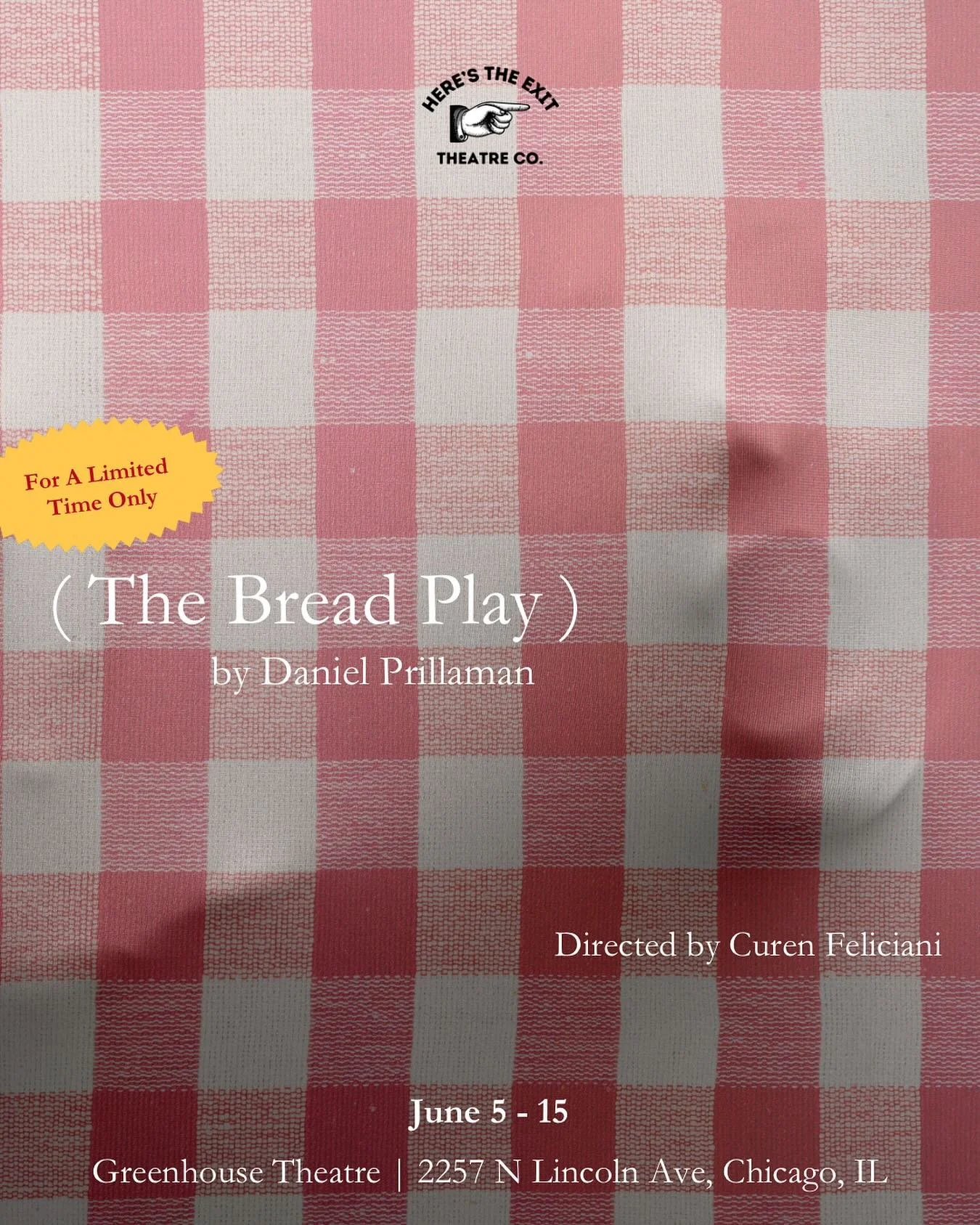
©Riley Vance (Here’s the Exit Theatre Co., 2025)
Amidst the recent socio-political climate of the last decade, I’ve learned many things. Amongst them:
1.) You can’t shame or berate anyone into changed behavior (even yourself).
2.) Spite is a surprisingly powerful motivator.
So while this post will rag on generative AI incredibly hard (an opportunity we really should take whenever it may present itself), I am also writing it as an empathetic, good faith plea to those of using it when promoting our work. I get it. When we don’t have easy or quick access to artists, AI is deeply alluring for the assistance it seems to offer our plays. It’s convenient. It’s neat! I messed around with ChatGPT when it first came out like many of us probably did.
But I stopped.
Because I learned more about it. And there’s a LOT of drawbacks to these programs. Put simply, they’re not worth it. As kindly as I can say, whatever your reasons for using AI are, they’re not worth it. I’m not here to condemn you. I’m not here to act all holier-than-thou. I'm not here to call you a bad person.
But it’s 2026. It’s time to stop using gen AI. Because it is a bad, bad practice.
This is why.
It’s Theft. Period.
If you’re already composing a rebuttal in your head, this is probably what you expected me to lead with, and any response to that statement boils down to one of two possibilities: “AI isn’t theft,” or “It is, I'm just…ultimately fine with that.”
Neither are great. The first is a misinformed position. The second is…well, worse. Don’t be fine with it.
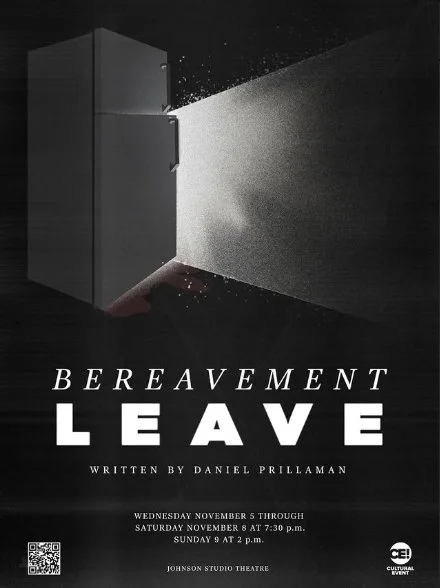
©Molly Wilson (Winthrop University, 2025)
Every generated AI program (i.e. ChatGPT, Midjourney, Gemini, Sora, Suno), was trained on artwork and IP taken from artists, authors, musicians without consent or compensation. Without permission, the companies that made these programs took all this art and placed it in a big ‘ol digital file called a dataset. These datasets were then inserted (or “fed”) into the AI programs in order to teach them how to fulfill and create the prompts they’re being asked.
The stolen work is what makes them function in the first place.
Now, I’ve heard some folks posit that this isn’t so different than a human looking at many different pieces of art and being inspired by them to create their own.
It’s VASTLY different, but mainly because AI doesn’t create anything of its own free will. We’re telling it to via prompts. It’s a false equivalency. If we reach singularity one day (for the less sci-fi literate, that’s the term for when AI truly eclipses human ability to control it, resulting in mass chaos if it decides to exterminate us as a species…honestly, could we fault it? that’s a play for another day), maybe that will change. But until the day comes that AI chooses to create art without human direction, it’s missing the most important philosophical element of the process.
And perhaps most crucially, keep in mind that these companies’ goal is to replace human artists. They want the results of our labor without our costs. Any company saying, “no, that’s not the intent,”
…unfortunately it wouldn’t be the first time a big corporation has told a lie, would it?
In our late-stage capitalism, money is the bottom line. And because AI doesn’t (currently) have free will, it doesn’t have to be paid. This practice hurts all of us.
Every Artist Deserves to Be Paid
Whenever we use AI in place of a human artist or graphic designer, we deprive them of income and potential work.
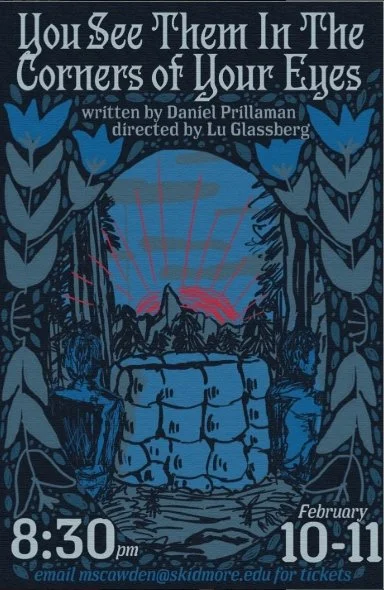
©Brenna O’Brien (Skidmore College, 2025)
This goes beyond a mere single instance. It builds up fast. Because the more of us who do it exponentially drive the market towards neglecting them.
Now. Maybe you don’t know any artists. That’s understandable! This is where it’s on us to meet some. We’re more connected than ever before, which means it’s easier than ever before to meet other humans who make things! Use social media to find someone whose style you like and contact them. Ask folks in online groups or artist sites about how to make connections.
Or maybe there’s other factors. Maybe you want to hire an artist, but don’t have the time because you need to get the project moving. Or maybe you don’t have the money budgeted to pay for an artist right now. AI posters do save money, right?
Now you’re talking like an AI exec…
As playwrights, specifically, we have natural concerns about the protection of our work. “But if we aren’t okay with our plays being uploaded into an AI generator, why are we cool with other people’s art?” Every time we use it to make a bulletin or poster, or music for a song, that’s what we’re endorsing. And I don’t know what we can call that other than a staggering hypocrisy. We gotta put in the work here. Because if gen AI is the solution, it’s the biggest “fuck you” to our fellow creatives. It only emboldens an industry that wants to replace humans in these jobs. As fellow artists, we must stand with all our fellow artists instead of helping spread the ideology that it’s okay to erase us.
Even if AI had no caveats for us as artists of any kind, it still wouldn’t outweigh the negative impacts for the rest of the world.
It Hurts Everybody
We are all on the same team, team. We got one planet. And if caring about it still makes one a hippie (I was born in 1991), then we should all be hippies, man.
While AI could very well be poised in some ways to have positive impacts on the environment one day, it is NOT having one right now. AI data centers, the physical places that house the computing equipment for these kinds of programs, have exploded in construction and use in the past years to meet demand. They waste a lot of energy, particularly in the way of water (not the Avatar movie) and of electricity (also not the Avatar movie, I don’t think that one is one, actually).
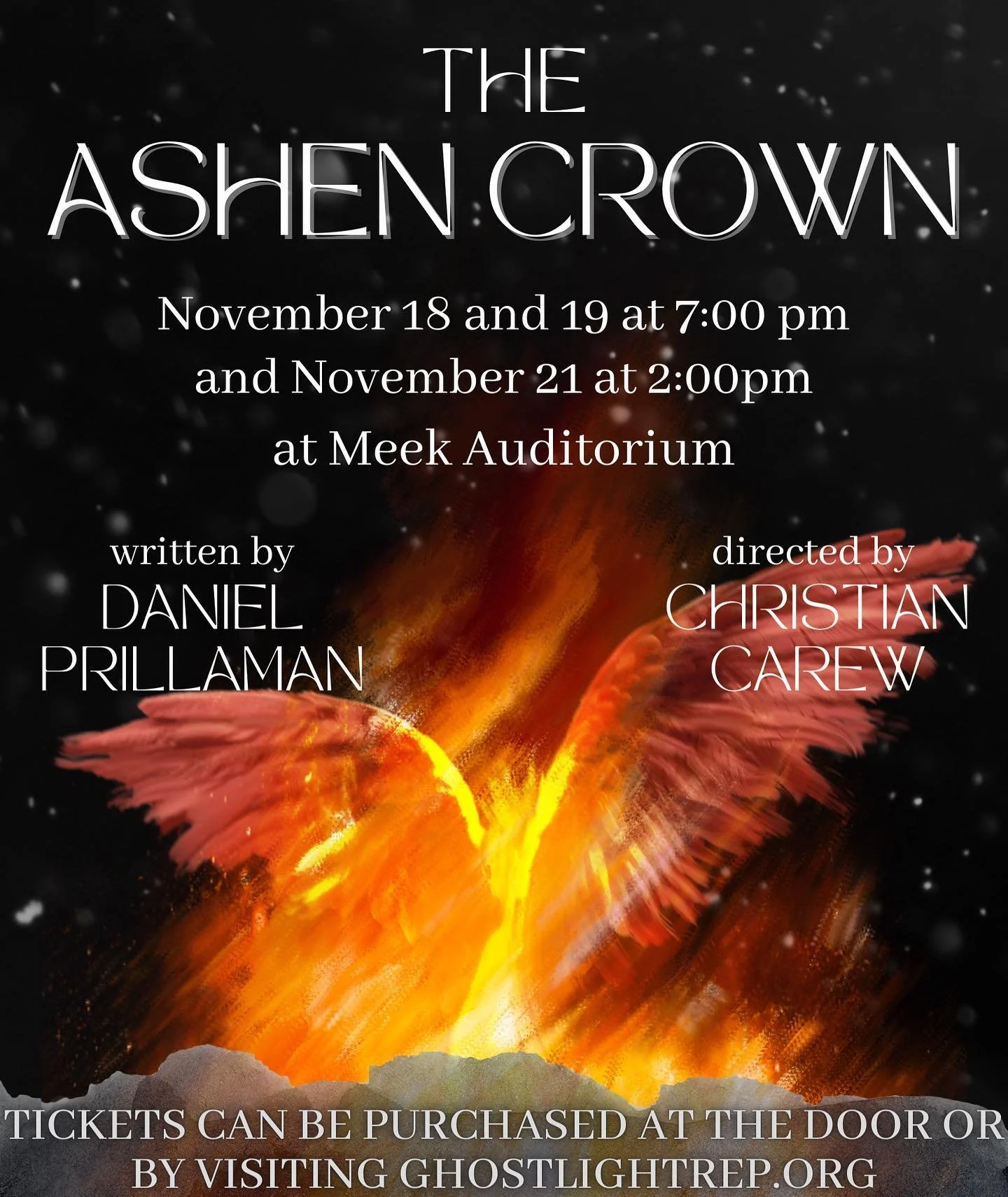
©Samantha Lee Turner and Christian Carew (Ghostlight Repertory Theatre, 2021)
Some further reading material on this from people more qualified than myself is here:
Understanding the Environmental Impact of AI | SNHU
AI has an environmental problem. Here’s what the world can do about that.
Data Centers and Water Consumption | Article | EESI
The TL;DR for those? In a time where we need to be transitioning to cleaner energy sources and using less, we’re going full tilt in the opposition direction. A single use of gen AI to make a poster may not seem like much to us, but as mentioned before, it adds up quick.
AI isn’t evil (at least not until it goes Skynet, how many James Cameron references can I make in this section?). It’s not even inherently bad (like perhaps some humans…?). But AI’s cons far outweigh its pros. From the first linked article, and Mike Weinstein, director of sustainability at Southern New Hampshire University:
“The easiest thing to do is to ask yourself what you are using an AI tool for at any given time. Is it necessary, or just expedient? Is the work you are producing valuable or useful?”
The answer is almost always no. It’s not worth it.
And if I have yet to convince you, I’ll try a last argument you may not have yet considered.
It Makes You, You Personally, Look Bad
“If you use gen AI in your promos, how do I know you didn’t use it in your play?”
-So Many People
It doesn’t matter if you didn’t. It doesn’t matter if you never use it to write. People are going to think you did or do because you’ve shown yourself willing to take a shortcut in another part of the process. If you keep doing it, people aren’t just going to notice, they’re going to write you off.
When you use gen AI, you’re depriving yourself of potential collaborators and audiences. Is the time save, the labor save, the lost potential artistic connection, really worth it?
For a poster?
A poster, which (more tough love incoming), always looks like absolute dogshit? They’re never good. They’re literally never good. They are all absolutely terrible, team. No hyperbole, you could make a stick figure drawing with the same information and it would look better.
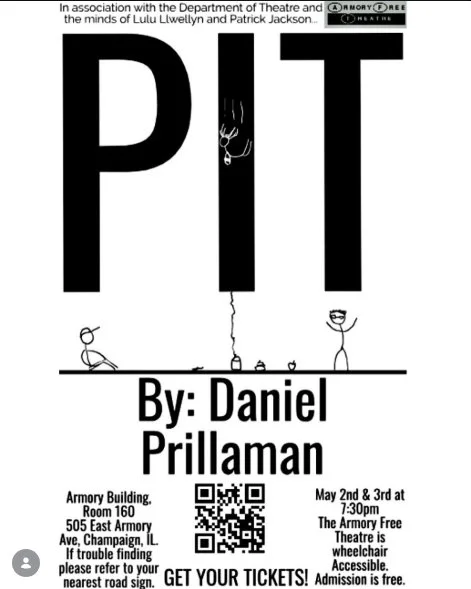
©Patrick Jackson (Armory Free Theatre, University of Illinois Urbana-Champaign, 2025)
The nickname for these images has become “AI slop” for a reason. It looks like it.
And when you put your name on it, it means people consciously associate your name with cut corners at best, slop at a base level, and fraud at worst.
There’s no scenario right now where it’s worth shooting yourself and your work in the foot like this.
Because…
…you’ve been seeing the difference? Right?
In quality?
(The other purpose of this post has been the opportunity to share some of my favorite posters of my work over the years, every one of them made by a human without the use of gen AI. Many of them college students!)
I don’t share these in attempt to boast. Though, as a human, I’d surely be lying if I said I wasn’t bragging a little (I don’t honestly practice that level of confidence enough), because I adore them and am proud of being the person whose initial fault it is they exist. My point is that if we put our name on it, we SHOULD be proud of it.
Maybe one day it will be harder, but right now, we can tell the difference between AI art and human art pretty distinctly. And the AI generated kind just ain’t worth being proud of, y’all.
You deserve better.
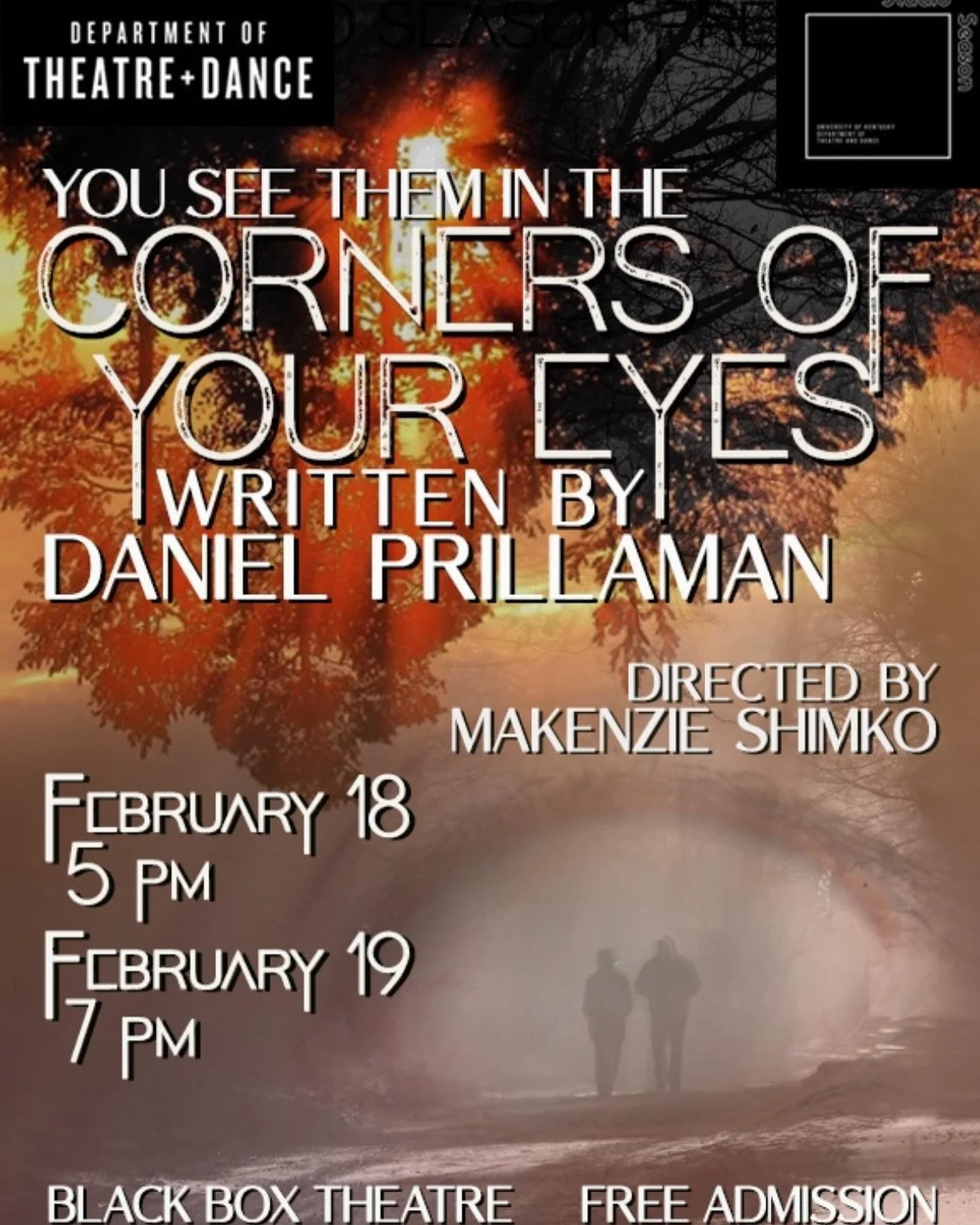
©Makenzie Shimko (University of Kentucky Studio Season, 2022)
Thanks for reading.
If your reaction to this is still, “Screw you, Dan, I get by fine.” Or “I’m not making money. I’m just doing this for fun.”
Fair enough. I can’t stop you. I won’t even shame you.
But I will gently close by saying that, whether you see it or not, whether you want to ignore it or not, you are doing something that hurts people.
Playwriting, like being a human, is all shine theory. When one of us succeeds, we all succeed. The same goes for harm. And right now, when one of us uses AI, it harms all of us.
And aren’t things hard enough?
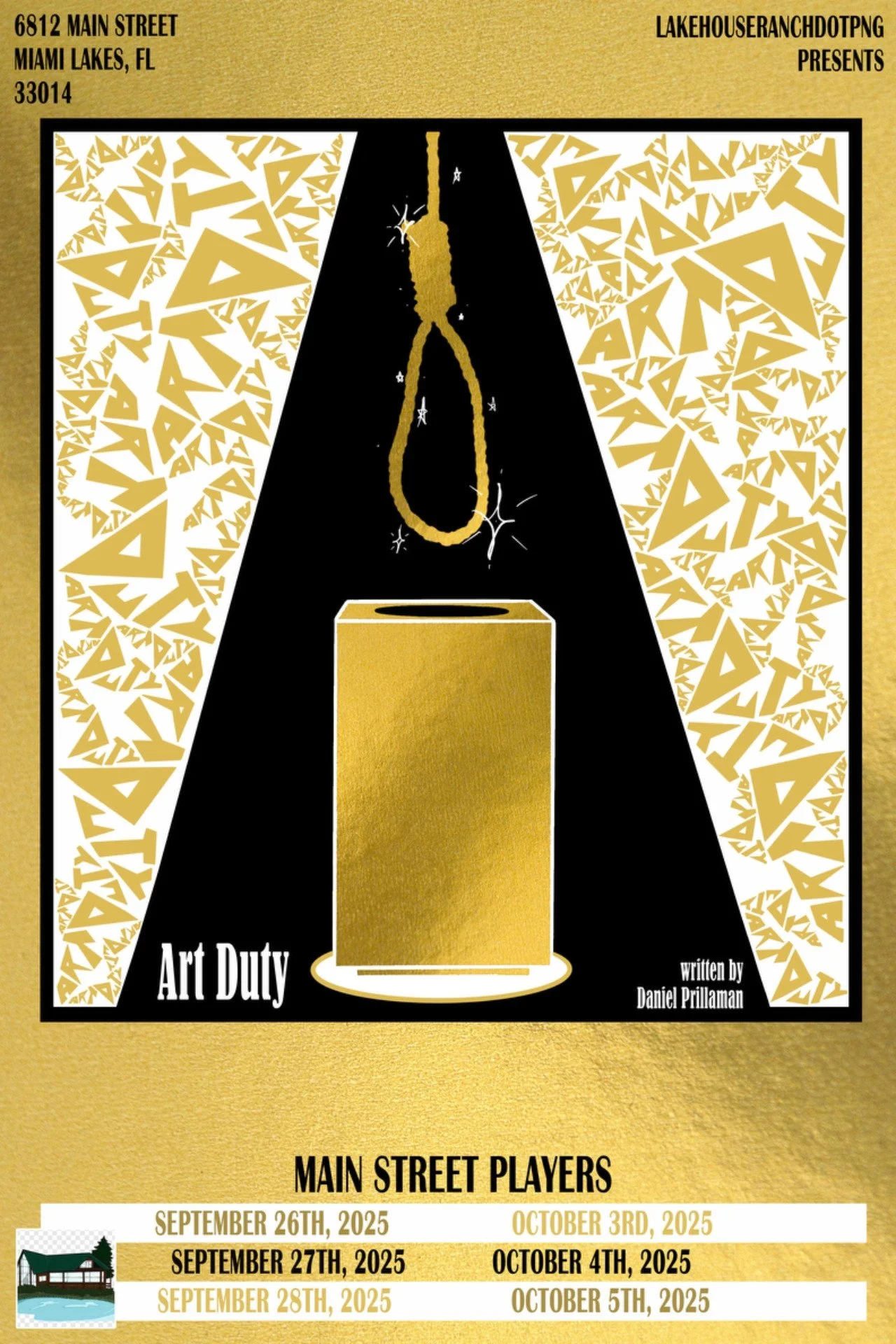
©Richard Wellington Lewis (LakehouseRanchDotPNG, 2025)
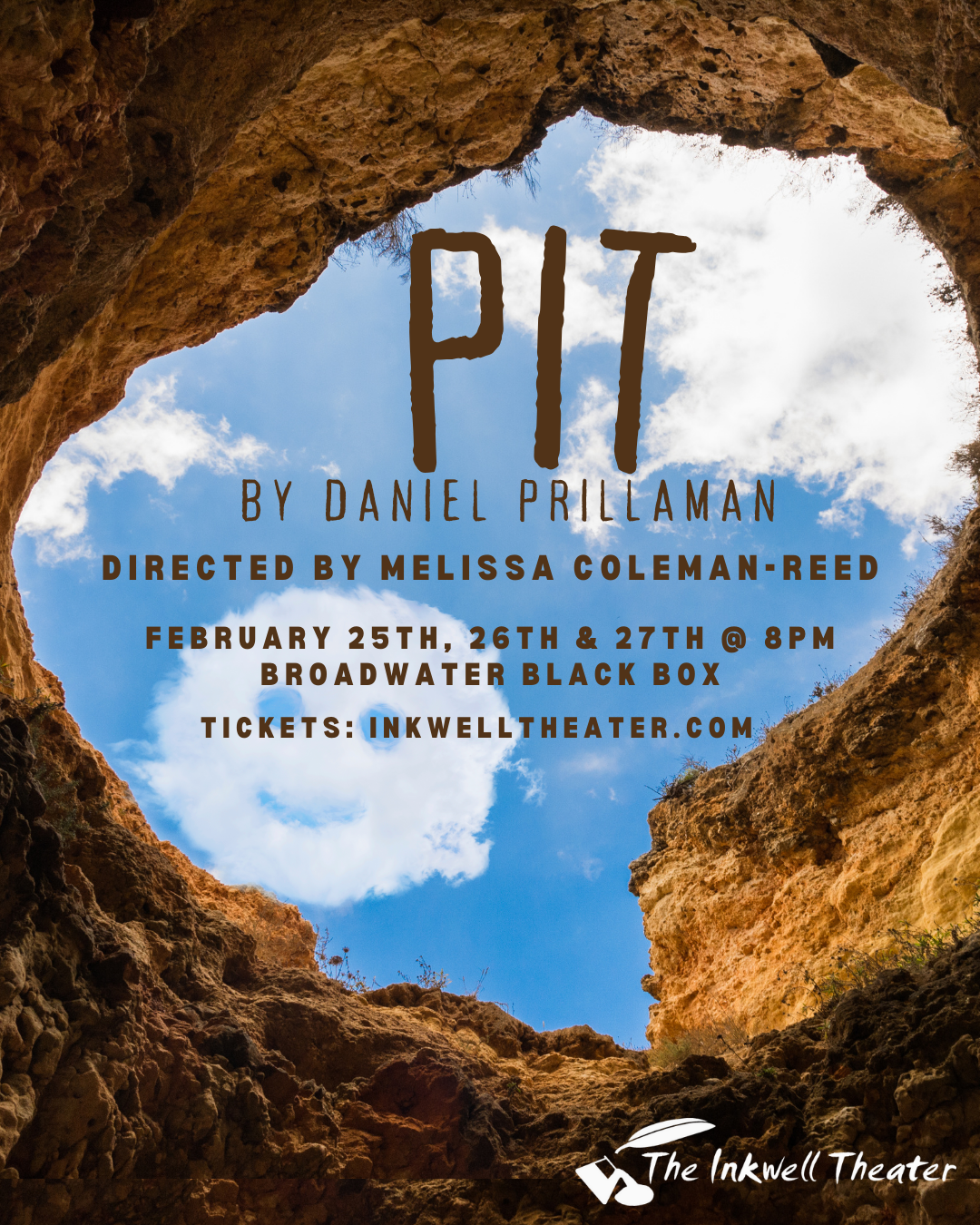
©Tessa Slovis (Inkwell Theater, 2025)